Hanoi (VNA) - Vietnam has quietly amassed five villages on the United Nations World Tourism Organisation (UN Tourism)’s “Best Tourism Villages” list, including Tan Hoa in Quang Tri, Thai Hai in Thai Nguyen, Tra Que Vegetable Village in Da Nang, Lo Lo Chai in Tuyen Quang, and Quynh Son Community Tourism Village in Lang Son.
Thai Hai village (Thai Nguyen)
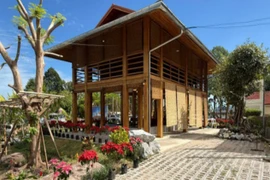
Back in December 2022, UN Tourism selected Thai Hai ethnic stilt-house conservation area as one of 32 global Best Tourism Villages, marking Vietnam’s first honoree that year.
Nestled among verdant hills in Thai Nguyen province, Thai Hai serves as both a cultural preservation hub for the Tay ethnic group and a tourism destination. The site maintains more than 30 traditional wooden stilt houses and provides immersive experiences in weaving, pottery and local cuisine, complemented by wellness offerings like outdoor meditation and yoga.
Tan Hoa village (Quang Tri)
UN Tourism recognised Tan Hoa in October 2023 for its sustainable tourism practices and effective use of local natural and cultural assets.
Formerly vulnerable to seasonal flooding, Tan Hoa pioneered floating houses following the devastating 2010 floods. Today, over 600 donation-funded floating residences enable year-round habitation and economic continuity during high-water periods.
The village also serves as the entry point to the Tu Lan cave system, a premier adventure-tourism asset. Community-managed initiatives safeguard the environment while showcasing local traditions through festivals and family-style dining.
Tra Que vegetable village (Da Nang)
In November 2024, Tra Que earned Vietnam’s slot on the UN Tourism’s Best Tourism Villages list.
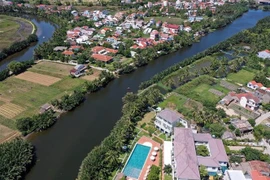
Dating to the 16th century and situated three km from Hoi An, Tra Que specialises in organic vegetable farming, a practice designated as National Intangible Cultural Heritage in 2022.
Today, 202 households cultivate 18 ha of land, offering visitors hands-on agricultural experiences, cooking classes and cycling tours.
Historic landmarks include the Cham Stone Well, Tho Than Shrine, Ngu Hanh Shrine and Nguyen Van Dien’s Tomb, alongside rituals like Cau Bong and enduring customs, beliefs and culinary practices.
Lo Lo Chai village (Tuyen Quang)
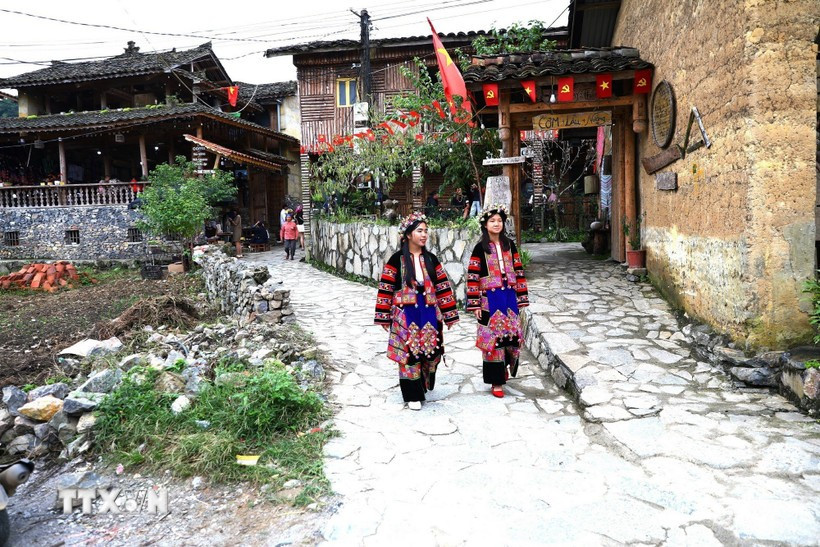
In October 2025, UN Tourism awarded Lo Lo Chai for exemplary preservation of the Lo Lo ethnic culture.
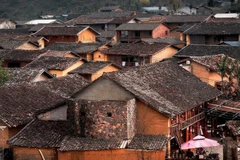
Situated in Lung Cu commune, the village features distinctive earthen-walled houses topped with yin-yang tiles, alongside handwoven garments and communal festivals. In recent years, locals have expanded homestay offerings without altering traditional architecture.
Tourists join everyday pursuits such as cooking, weaving and folk dances. The influx has revitalised customs and boosted household earnings.
Quynh Son community tourism village (Lang Son)
Recognised alongside Lo Lo Chai in 2025, Quynh Son is embedded within the Bac Son Uprising National Special Relic Site and UNESCO’s Lang Son Global Geopark.
The village upholds core Tay ethnic elements, including stilt houses, “Then” singing rituals and indigenous instruments. Community tourism encompasses farm work, textile weaving, cooking sessions and cultural events.
This approach fosters revenue growth while conserving ancestral knowledge and scenic integrity, making Quynh Son a benchmark for viable community-based tourism./.