Hanoi (VNA) – Developing the "soft power" of Vietnamese culture will contribute to bolstering the country's overall national strength, according to Party General Secretary Nguyen Phu Trong.
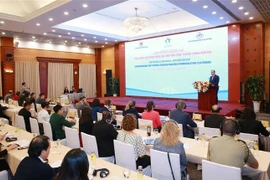
In his keynote address at the National Culture Conference in November 2021, which was later included in his book "Building and developing advanced Vietnamese culture rich in national identity," the Party leader underlined the importance of preserving and promoting the nation's cultural heritage while embracing modern influences.
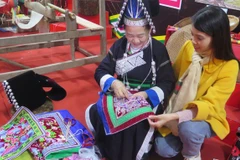
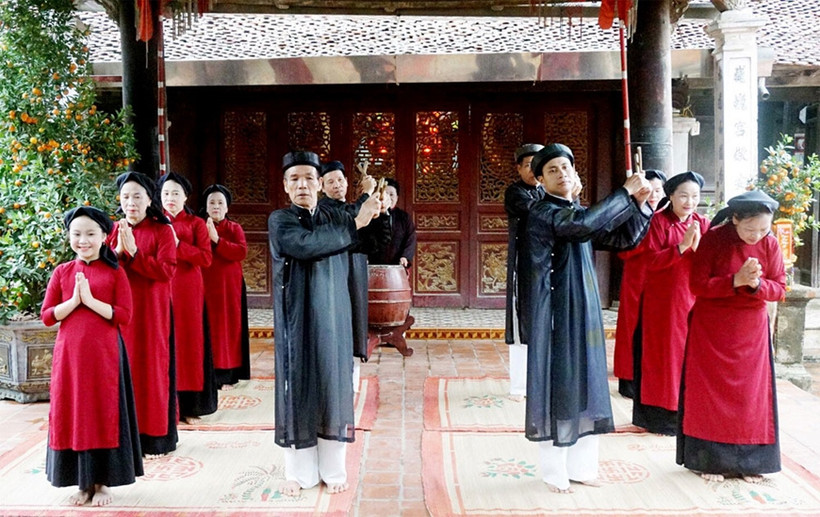
“We must pay greater attention to preserving, restoring, and upholding the values of the national culture, both tangible and intangible cultural heritage from various regions and ethnic groups,” Trong said, highlighting the need to balance tradition with modernity.
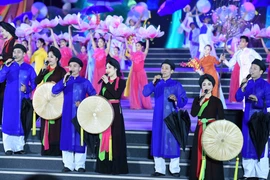
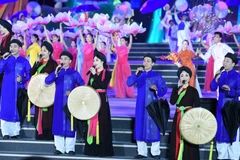
In an era of widespread globalisation and extensive international integration, Vietnam's rich cultural tapestry, including its tangible and intangible heritage, natural landscapes and people, offers a powerful tool for soft power diplomacy and becomes the endogenous strength, the great resource and motivation for the country to prosper and integrate internationally. The country aims to leverage this asset to enhance its global competitiveness and drive sustainable development.
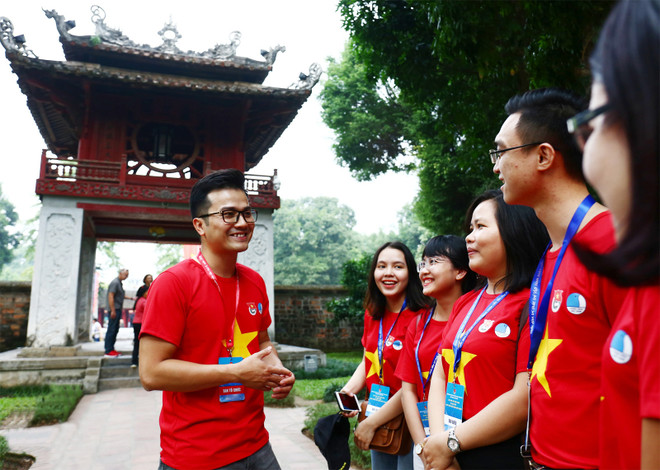
"Vietnam's cultural soft power is a key component of its overall national strength," Trong asserted.
Recognising the threats posed by cultural invasion and assimilation, the Party chief stressed the importance of safeguarding national cultural identity. This includes not only preserving traditional values but also effectively communicating the essence of Vietnamese culture to the world. It is equally important to define the place, role, and contribution of the national culture within the flow of global cultural history.
At present, Vietnam boasts eight world heritage sites, 15 intangible cultural heritage elements, 10 documentary heritage items, 11 world biosphere reserves, 3 global geoparks, and 9 ramsar sites listed by UNESCO.
The country has counted over 40,000 relic sites and 70,000 intangible cultural heritage elements, including 130 special national sites, 3,633 national relic sites, 571 intangible cultural heritage items listed in the National Intangible Cultural Heritage Register, and 294 artifacts or groups of artifacts designated as national treasures.
There are 200 museums nationwide, comprising 127 public and 73 private ones which preserve and display over 4 million particularly rare and valuable documents and artifacts.
As many as 131 People's Artisans and 1,619 Meritorious Artisans who are masters of various forms of intangible cultural heritage have been honoured.
This wealth of cultural property and resources needs to be actively harnessed and promoted through strategic development and supportive policies from the Government, ministries, and local authorities. The Ministry of Culture, Sports, and Tourism must play a leading and pivotal role in safeguarding cultural identity and disseminating Vietnam's cultural soft power on the global stage.
The 13th National Party Congress, as well as General Secretary Trong, has outlined several measures to uphold Vietnam's cultural soft power and position Vietnamese culture within the global landscape. These include preserving and promoting the values of the national cultural heritage, creating new cultural products with high ideological and artistic value, strengthening external relations and cultural diplomacy while actively engaging in global cultural integration, investing significantly in the cultural industry and services, and developing tourism as a pillar economic and cultural sector to spread soft power./.