Hanoi (VNS/VNA) – In Vietnam, social media influence and insufficient sexual education have contributed to an alarming increase in sexually transmitted infections (STIs) among adolescents.
A recent report of Ho Chi Minh City's Dermatology Hospital shows a steady rise in STI-related visits among teenagers. From 1,000 cases in 2021 to 1,883 in 2022, and 2,437 in 2023.
One recent case involved a 16-year-old boy diagnosed with gonorrhea after engaging in unprotected sexual contact. The teenager, driven by curiosity and a lack of understanding about sexual health, mistakenly believed that oral contact was safe and would not transmit infections.
Symptoms emerged weeks later, prompting his family to seek medical help.
Nguyen Thi Thanh Tho, deputy head of Clinical Department 3 at the hospital, revealed that common STIs among adolescents include genital warts, gonorrhea, chlamydia, syphilis, HSV, HIV and hepatitis B and C. The primary cause is a gap in sexual health knowledge among young people.
“Many adolescents lack understanding of reproductive health, menstrual cycles, conception and contraception," Tho said.
"This knowledge gap, combined with the natural curiosity of adolescence, often leads to unprotected sexual encounters and risky behaviours."
Tho emphasised that unprotected sexual activity can have significant long-term consequences. For girls, STIs can lead to fallopian tube damage, pelvic inflammatory disease, ectopic pregnancies and, ultimately, infertility.
Boys face risks of epididymitis, urethral inflammation and rectal infections, which can also result in infertility.
Addressing this growing public health issue, she urges collaboration between families and schools in providing comprehensive and age-appropriate sex education for adolescents.
She advocates for engaging extracurricular programmes that educate adolescents in an approachable and non-restrictive way, helping them understand bodily changes, avoid high-risk behaviours, and recognise the importance of self-worth in safeguarding their well-being.
She also stresses the importance of STI prevention practices, including consistent condom use and regular testing. Open communication between partners, especially at the start of new relationships, is crucial for reducing risks. Vaccination is also recommended as a proactive measure, particularly for hepatitis B and HPV.
Vu Thai Hoang from the Urology and Andrology Department of HCM City’s 175 Military Hospital underlines the dangers of early sexual activity without adequate protection.
According to Hoang, this not only increases the likelihood of contracting STIs but can also lead to physical injuries, especially among those unfamiliar with safe practices.
Many young men, for example, face complications like torn frenulums or even penile fractures due to lack of information and confidence, while young women are at risk for vaginal injuries and infections.
With easier access to explicit content on social media and the internet, adolescents are becoming sexually active earlier but often lack the necessary information for safe practices.
Hoang advocates for enhanced public education efforts to equip young people with essential knowledge about safe sexual practices and the resources they need to make informed decisions.
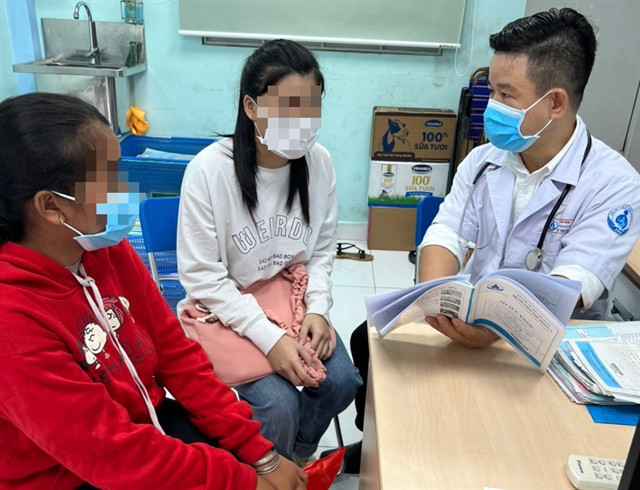
He emphasises that seeking treatment from reputable healthcare providers is essential if symptoms arise to prevent further health complications.
Psychologist Hong Huong warned that curiosity about sex, combined with limited knowledge, leads many teenagers toward risky behaviors, including unintended pregnancies and STIs.
“As young people enter puberty, they’re naturally curious, but with limited understanding, many rush into premature experiences that can have serious consequences,” she explained.
She said teen pregnancies pose particular health risks, as adolescent bodies are not fully developed for childbirth. Young mothers face potential reproductive complications, higher rates of infection and risk of infertility.
These experiences can also leave a lasting impact on mental health, pushing teens toward depression and anxiety, affecting school and social relationships.
Social media exposure further complicates matters, making it easier for adolescents to access explicit or harmful content.
“While social media supports learning, it also exposes teens to risky content and can distort their understanding,” Huong said.
This digital environment fosters brief, superficial relationships that often end abruptly, leaving many teens - especially girls - emotionally vulnerable and socially isolated.
She stressed that parents need to play an active role in sexual education, as schools often cover only basic contraception without addressing relationships or reproductive health in depth.
To prevent premature sexual activity, parents should foster open, honest discussions about healthy relationships. Schools and communities, alongside parents, must collaborate to create a well-rounded educational environment that equips adolescents to make informed decisions./.
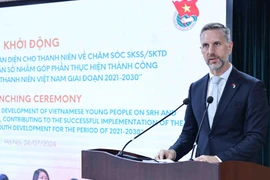
UNFPA helps improve youth capacity of sexual, reproductive health
The Ho Chi Minh Communist Youth Union (HCYU) Central Committee and the United Nations Population Fund (UNFPA) in Vietnam on July 24 launched a project to support comprehensive development of young people on sexual and reproductive health (SRH).