Hanoi (VNA) - Vietnam is taking drastic yet cautious steps in building a culture of nuclear safety and security, with the aim of having its first nuclear power plant operational by the end of 2030 and using this specific energy source effectively and sustainably.
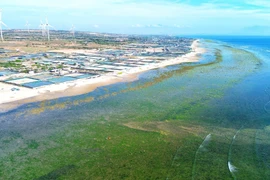
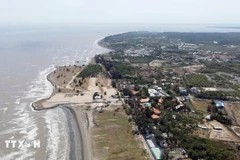
A member of the International Atomic Energy Agency (IAEA) since 1957, Vietnam has consistently affirmed its commitment to nuclear safety, security, and the peaceful use of atomic energy. A concrete step reflecting this long-term commitment was the issuance of Decision No. 245/QD-TTg by the Prime Minister in February 2025, approving the master plan for the development and application of atomic energy through 2030, with a vision toward 2050. The document sets out key objectives, including strengthening technical capacity, improving the legal framework, and ensuring the safe implementation of nuclear power plants to be built in Ninh Thuan (now part of Khanh Hoa province).
Subsequently, on June 27, 2025, with 441 out of 442 deputies voting in favour (92.26%), the National Assembly passed the amended Law on Atomic Energy, which adds multiple provisions on radiation safety, State management, and mechanisms for investment and operation of nuclear power plants.

Speaking on the significance of the newly adopted law, Deputy Prime Minister Le Thanh Long emphasised: “The law helps enhance the effectiveness of State management in radiation safety, nuclear safety and security; promotes the sustainable development of atomic energy applications; fulfills Vietnam’s international commitments and obligations; strengthens international cooperation; and contributes to creating new momentum for the country’s rapid and sustainable development in the new era.”
However, according to experts, in addition to establishing a legal framework for the safe, efficient, and sustainable development of nuclear power, Vietnam must undertake a range of critical actions, including developing a comprehensive roadmap to achieve its goal of ensuring nuclear safety and security.

According to Vo Van Son, a nuclear geotechnical expert at Edvance (France) – a company that specialises in designing and constructing new reactors worldwide, high-tech fields like nuclear power demand stringent safety standards.
“Therefore, building a culture of nuclear safety and security as well as raising public awareness of the issue is a key factor,” Son said.
Supporting this view, Kei Koga, Associate Professor at Nanyang Technological University (NTU), Singapore, shared that one of the biggest challenges for Vietnam in the process of building nuclear power plants is to establish strict safety standards that can withstand the region’s environmental vulnerabilities.
“Southeast Asia, and Vietnam in particular, is prone to natural disasters like typhoons and potential seismic activities. This geographical context requires nuclear infrastructure that demonstrates exceptional resilience and comprehensive risk management strategies,” Koga said.

Dr. Tran Chi Thanh, Director of the Vietnam Atomic Energy Institute (Ministry of Science and Technology), also shared the same opinion. According to Thanh, nuclear incidents that occurred in some countries such as the US’s Three Miles Ireland (TMI) in 1979, Ukraine’s Chernobyl in 1986 and Japan’s Fukushima in 2010 show the importance of training high-quality nuclear human resources, building a strict nuclear regulatory system, and performing fully and responsibly inspection and supervision tasks related to safety assessment, design, construction and supervision of plant operations as well as equipment systems.

For his part, Secretary General of the Vietnam Nuclear Professional Network (VietNuc) Pham Tuan Hiep elaborated that building a culture of nuclear safety and security is not merely a top-down directive – it begins with genuine understanding and disciplined practice.
“When safety culture becomes second nature, everyone will proactively and consciously put it into practice in their work,” Hiep said.
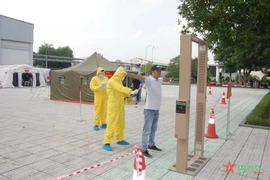
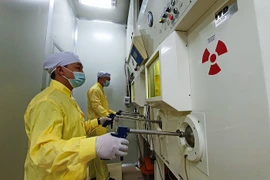
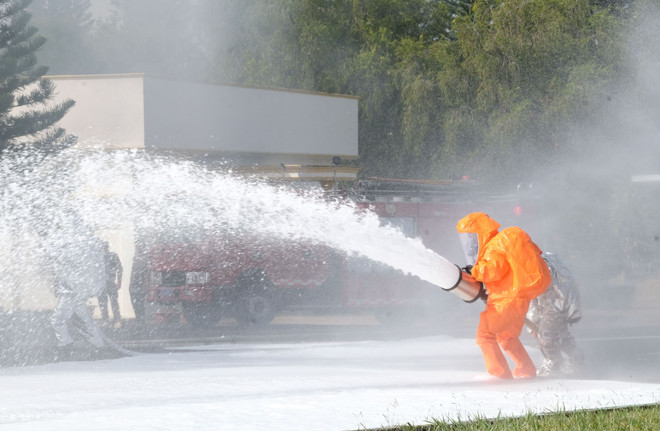
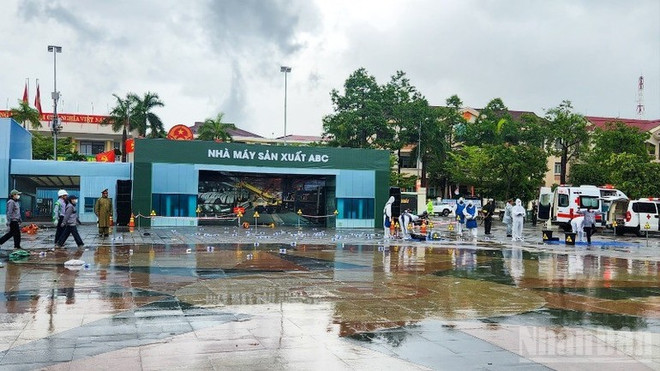
Vietnam currently conducts regular drills in response to nuclear and radiation incidents to enhance command and coordination capacity among relevant agencies and raise public awareness, thereby promoting and putting into practice a culture of nuclear safety and security.
Hiep also suggested include nuclear power knowledge in the general education curriculum.
“Although Vietnam’s current physics curriculum covers nuclear physics, it lacks content on the safe operation of nuclear power plants. This is a crucial topic that can be integrated to enhance students’ understanding from an early age,” Hiep said.
Human resources key for nuclear industry
Insiders also held that to develop nuclear power safely and sustainably, human resources are a key factor, with a highly skilled team of experts playing a critical role. In reality, most issues related to nuclear safety stem primarily from human factors, they noted.
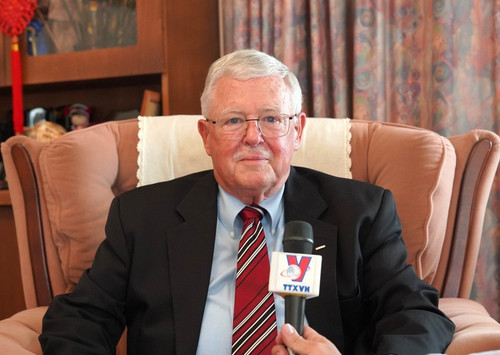
Carl Thayer, Emeritus Professor at the University of New South Wales (UNSW) (Australia), affirmed that in order to ensure safety, Vietnam must continually train enough nuclear technology specialist engineers and technicians to safely manage all aspects of nuclear reactors and nuclear technology around the clock as Vietnam commences the construction and operation of its nuclear power plants.
Currently, Vietnam has approximately 400 professionals working in the nuclear power sector, primarily in agencies under the Ministry of Science and Technology, as well as in a few universities, research institutes, and the Vietnam Electricity (EVN).
The project “Training and developing human resources for nuclear power development until 2035” aims to meet the human resource demands for the Ninh Thuan 1 and Ninh Thuan 2 nuclear power plants by 2030.
It is estimated that the two plants will require nearly 4,000 personnel, including about 2,000 with university-level qualifications or higher, and more than 600 newly trained abroad.

International cooperation’s vital role
In addition to training and developing human resources, strengthening international cooperation plays a vital role in ensuring the safe, efficient, and sustainable development of nuclear power. Selecting the right foreign partner is an urgent requirement that calls for a comprehensive and well-informed assessment process, experts said.
According to Kei Koga, technological capabilities should be the primary consideration, but this extends far beyond mere technical specifications.
“An ideal partner must demonstrate a comprehensive understanding of nuclear infrastructure, safety protocols, and long-term developmental strategies,” he said.
Highlighting safety standards as the most critical criterion, the Japanese expert added that potential investors must showcase robust risk management protocols, proven track records in preventing nuclear incidents, and transparent emergency response mechanisms.
This includes detailed plans for natural disaster mitigation, comprehensive monitoring systems, and alignment with international safety standards set by organisations like the International Atomic Energy Agency (IAEA), he elaborated.
He also noted that Vietnam’s independent and flexible foreign policy gives it a distinct advantage in engaging with many of the world’s leading nuclear technology partners such as Russia, Japan, the US, and China.
Currently, Vietnam has established Comprehensive Strategic Partnerships with 13 countries, namely China, Russia, India, the Republic of Korea, the US, Japan, Australia, France, Malaysia, New Zealand, Indonesia, Singapore, and Thailand.
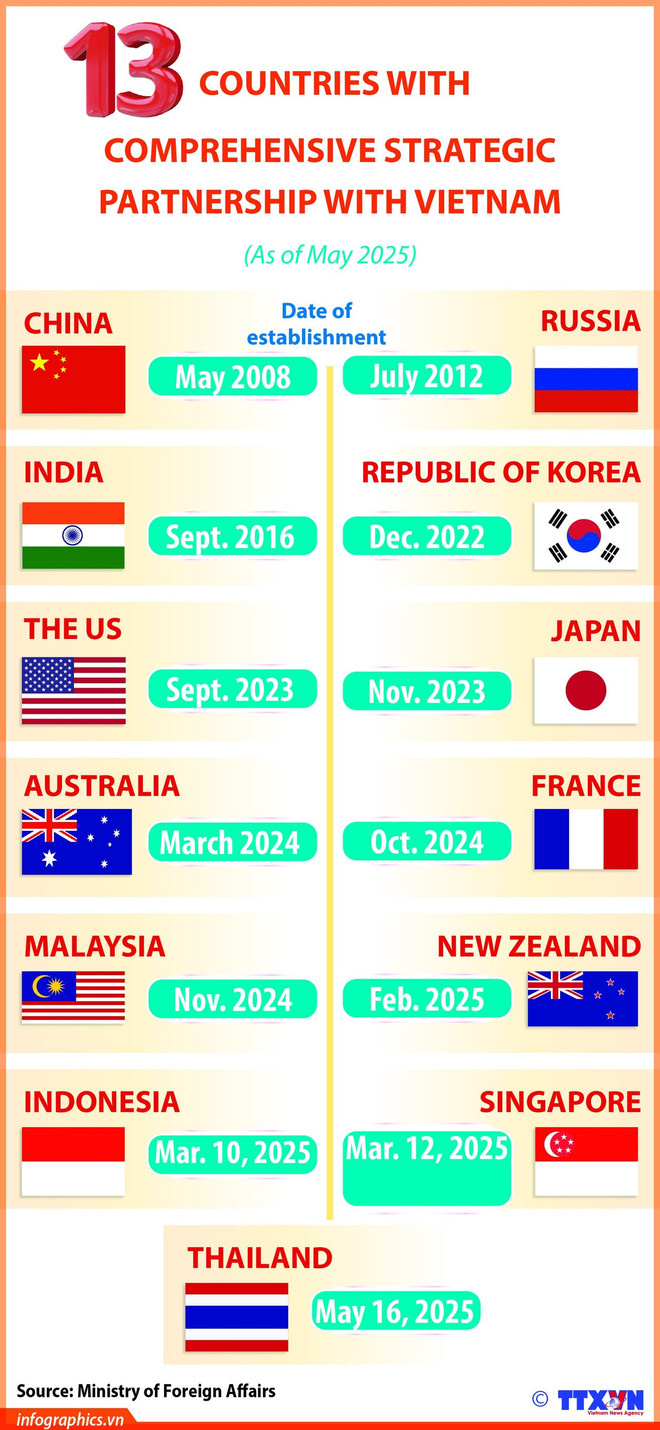
“Diverse foreign relations enable Vietnam to proactively evaluate, compare, and select suitable partners based on strict criteria such as technological capabilities, safety records, and long-term support commitments,” Koga said.
At the regional level, Thayer suggested Vietnam strengthen cooperation with other Southeast Asian countries like Indonesia and Thailand to share experiences in developing and managing the nuclear energy sector. “ASEAN member states are fully capable of working together to establish common standards aimed at ensuring the safety, security and sustainable development of nuclear power in the region,” he stressed./.