Hanoi (VNA) – Organ transplantation is a major medical breakthrough for Vietnam, offering life-saving operations and improving the quality of life for patients with end-stage organ failure.
Over the past three decades, Vietnam has made remarkable progress in mastering transplant techniques, with more than 9,300 successful operations at 28 hospitals nationwide since the first kidney transplant in 1992.
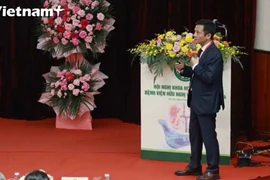
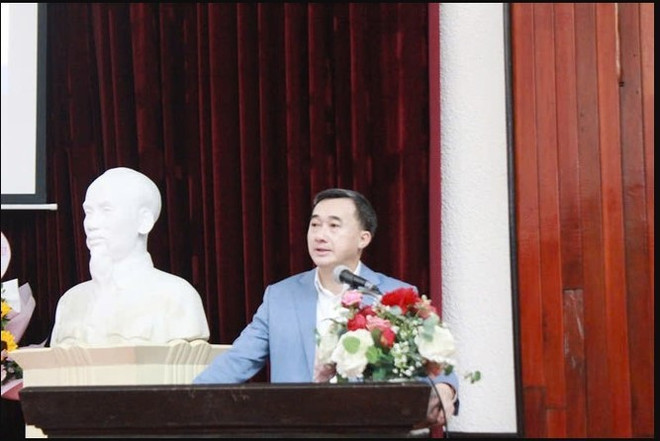
Speaking at a recent workshop on enhancing communication and encouraging posthumous organ donation, Deputy Minister of Health Tran Van Thuan emphasised that Vietnam currently has the highest organ transplant rate in Southeast Asia, performing over 1,000 procedures annually.
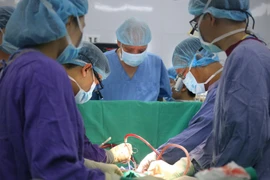
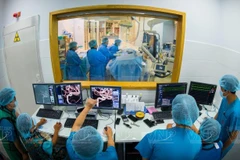
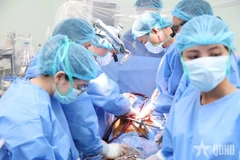
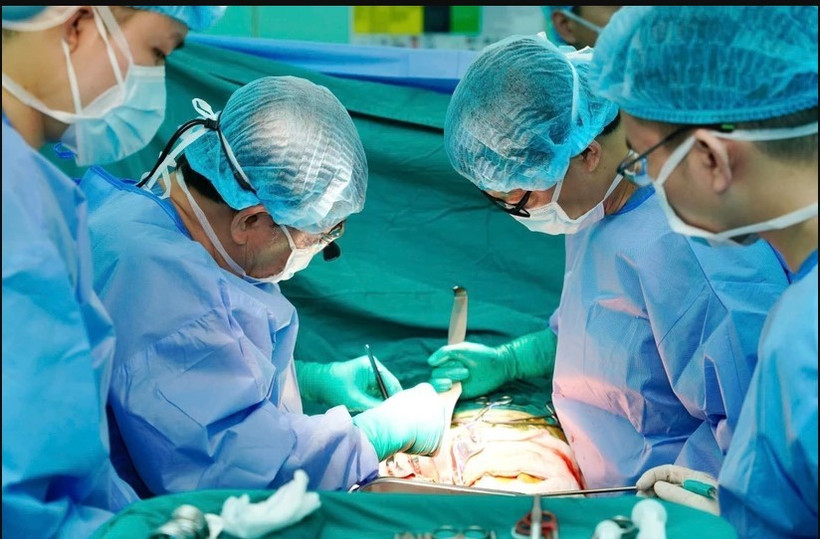
The successful completion of complex transplants, such as lung transplants at the National Lung Hospital and simultaneous heart-liver transplants at Viet Duc Friendship Hospital, demonstrates the country’s growing medical expertise, which is approaching international standards.
Despite these achievements, the availability of organs from donors remains limited due to cultural beliefs, while the demand for transplants continues to increase. Vietnam’s posthumous organ donation rate remains among the lowest in the world, resulting in thousands of patients still waiting for life-saving procedures, with many unable to receive timely interventions due to donor shortages.
To address this challenge, the Party, the State, and the Ministry of Health have introduced various policies and programmes aimed at encouraging organ donation. Following an appeal from the Prime Minister on May 19, 2024, numerous hospitals held registration campaigns for posthumous organ donation.
Additionally, advocacy sub-associations were established, not only in public hospitals but also in private healthcare institutions, with 16 formed in 2024.
Associate Professor Dong Van He, Director of the Vietnam National Coordinating Centre for Human Organ Transplantation under the Ministry of Health, reported a significant milestone in early 2025, with 16 organ donations recorded in just two months, an unprecedented figure.
According to Associate Professor Nguyen Thi Kim Tien, President of the Vietnam Association for Tissue and Organ Donation Advocacy, the national network of hospitals offering transplants has been expanding, enabling first-time participation from several medical institutions in donor recruitment efforts. The number of registered organ donors has increased significantly compared to previous years.
In 2024, a record-breaking 41 donors were recorded, surpassing the combined total of the past three years (2021-2023), which saw 36 cases. As of October 14, 2024, the total number of registered organ donors nationwide had reached 102,759.
If the current rate of posthumous organ donation triples, Vietnam is projected to conduct several thousands of transplants annually, with expectations of becoming one of Asia’s leading countries in organ transplantation within the next 6-10 years.
Despite positive developments, Deputy Minister Tran Van Thuan acknowledged that public awareness of organ donation remains limited. Misconceptions, ethical concerns, and deeply rooted cultural beliefs contribute to the reluctance to register as donors.
Vietnam lacks clear government policies to support organ donation counseling. While some hospitals have established advisory teams to encourage donations from the families of the deceased, limited incentives have made it difficult to expand these efforts.
In response, the Ministry of Health is prioritising communication initiatives to promote organ donation. Effective awareness campaigns require coordinated efforts among the healthcare sector, social organisations, religious groups, and hospitals that directly engage with patients. Sharing success stories of donors and transplant recipients is also seen as a key strategy to inspire greater community participation in organ donation.
To support the growth of organ donation and transplantation, the Ministry of Health has been refining its regulatory framework. In 2024, the ministry issued technical guidelines for organ donation, retrieval, transplantation, transportation, preservation, and post-transplant care, particularly for liver transplants from both living and deceased donors.
Efforts are being directed toward implementing several key measures to enhance organ donation. These include developing policies aimed at supporting hospitals in establishing advisory teams with appropriate incentives to improve their effectiveness. Collaboration with countries that have well-developed organ donation systems is also being prioritised, allowing for knowledge exchange and specialised training for counselors in the field.
Besides, communication strategies are expected to be expanded through various digital and traditional media channels to foster greater public awareness and encourage donor registration. Strengthening coordination among transplant hospitals is also being considered, with a focus on information sharing and engagement with community and religious organisations to promote organ donation.
Tien proposed introducing policies to acknowledge and reward families who consent to organ donation for the deceased family members. Providing psychological support and counseling services would also help families understand and accept the importance of organ donation.
Additionally, the establishment of a national organ donation day and increased public recognition of donor families could further incentivise participation. Leveraging technology to manage donor and recipient information would also enhance transparency and efficiency in the coordination process.
Vietnam’s mastery of organ transplantation marks a significant achievement in the country’s medical sector. However, challenges such as low posthumous donation rates and public hesitation remain pressing concerns. Through continued policy development, awareness campaigns, and international collaboration, Vietnam is striving to strengthen its organ donation and transplantation system, offering renewed hope to thousands of patients in need.