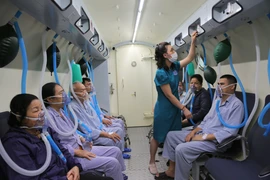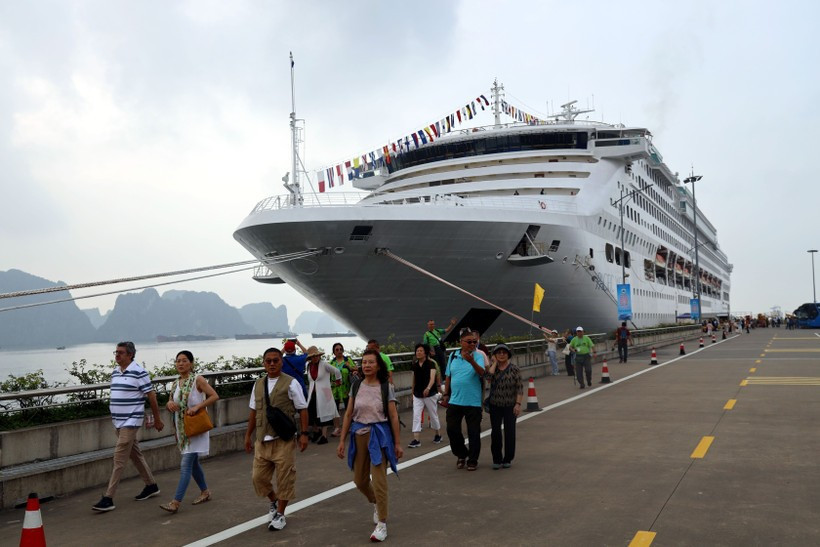
Hanoi (VNA) - Vietnam is increasingly seen as a promising destination for medical tourism, leveraging its expanding healthcare capacity, affordable costs, and growing international appeal.
Recent years have witnessed a surge in international arrivals, thanks to open-door policies and proactive tourism promotion, a trend that also provides fertile ground for the development of medical tourism.
The Political Bureau’s Resolution No. 72-NQ/TW, issued recently, sets out breakthrough measures to enhance health protection and healthcare services. It reaffirms that health is the most precious asset of the people and a fundamental pillar of national happiness, resilience, and sustainable prosperity.
The resolution also calls for the development of specialised, high-quality medical centres meeting regional and global standards both to attract medical tourists and to reduce the outflow of Vietnamese patients seeking treatment abroad.

According to Ha Anh Duc, Director of the Department of Medical Services Administration under the Ministry of Health, medical tourism is becoming a global trend that brings substantial economic benefits. With its natural beauty, safety, and friendly people, Vietnam has favourable conditions to build a reputable brand in this field. However, stronger coordination between the health and tourism sectors is needed to address existing weaknesses in quality, promotion, and regulatory mechanisms.
Vietnam’s appeal lies in its combination of scenic destinations and affordable, reliable healthcare. The country’s diverse climate, long coastline, and hospitable image make it attractive not only for leisure travelers but also for visitors seeking wellness, beauty, dental, or fertility services. The steady rise in international tourist numbers has expanded the potential market for healthcare tourism.
Before the pandemic, Vietnam welcomed around 300,000 international visitors combining tourism with medical services. The figure has since grown to the tens of millions of tourists annually, many expressing interest in medical care. By comparison, Thailand earns around 6 billion USD per year from medical tourism, Singapore 1.5–2 billion USD, and Japan about 4 billion USD. Vietnam’s current earnings of a few hundred million dollars remain modest, but the country’s growth potential is considerable.
One of Vietnam’s strongest advantages lies in its competitive pricing and efficient services. The nation was ranked 89th among 110 countries with the best healthcare systems in 2024, receiving particularly high scores for infrastructure and medical expertise. Healthcare services in Vietnam generally cost only 30–50% of what patients would pay in Singapore or Thailand.
For instance, a dental implant in Vietnam costs about 1,000–1,200 USD, roughly one-fifth of the price in the US and significantly lower than in neighboring countries. Ho Chi Minh City alone earns an estimated 3.5 trillion VND (around 140 million USD) annually from dental tourism.
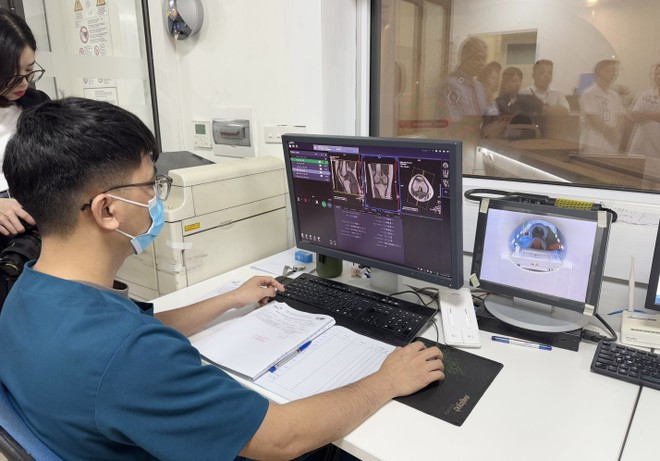
Similarly, in vitro fertilisation (IVF) services cost one-third of the price in Thailand and one-fifth of that in the US, with comparable success rates and faster procedures. Patients also benefit from shorter waiting times for surgeries and advanced diagnostics such as MRI or CT scans which can take months in other countries.
Despite these advantages, Vietnam’s medical tourism still faces structural challenges. While the country’s healthcare technology has advanced rapidly, international standardisation remains limited. Out of more than 400 private hospitals and 1,600 public ones, only a handful, including Ho Chi Minh City’s Blood Transfusion and Hematology Hospital, have achieved Joint Commission International (JCI) accreditation, the global benchmark for hospital quality.
To move forward, Vietnam is implementing solutions aligned with Resolution 72. The health sector is developing specialised service packages in key areas such as cosmetic surgery, dentistry, ophthalmology, diagnostic imaging, and fertility treatment fields where Vietnam already has strong expertise. These services will be promoted through global tourism forums and international travel agencies, supported by cross-border insurance payment systems and interoperable digital medical records.
The government is also working to standardise facilities, procedures, and professional training including foreign language skills to meet international service expectations. Information about accredited facilities will be made publicly available, allowing foreign clients to compare and make informed decisions.
Recognising that medical tourism is inherently interdisciplinary, authorities are strengthening coordination between health, tourism, foreign affairs, finance, and security agencies, as well as with businesses and local communities. The Ministry of Health has proposed elevating the initiative to a government-level programme to ensure a unified national approach.
Beyond boosting revenues, the long-term goal is to enhance the reputation of Vietnam’s healthcare system. By improving infrastructure, technology, and service quality, the country aims to retain domestic patients while attracting international visitors seeking reliable, affordable care. With continued investment and effective coordination, Vietnam has the potential to establish itself as a trusted medical tourism hub in Southeast Asia./.