Village-based midwives help eliminate outdated birth customs in mountainous areas

The maternal mortality rate in Vietnam has dropped more than fivefold - from 233 deaths per 100,000 live births in 1990 to about 44 in 2024 - ranking fourth lowest in Southeast Asia.

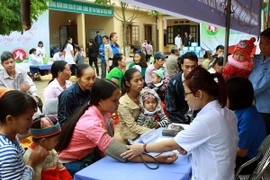
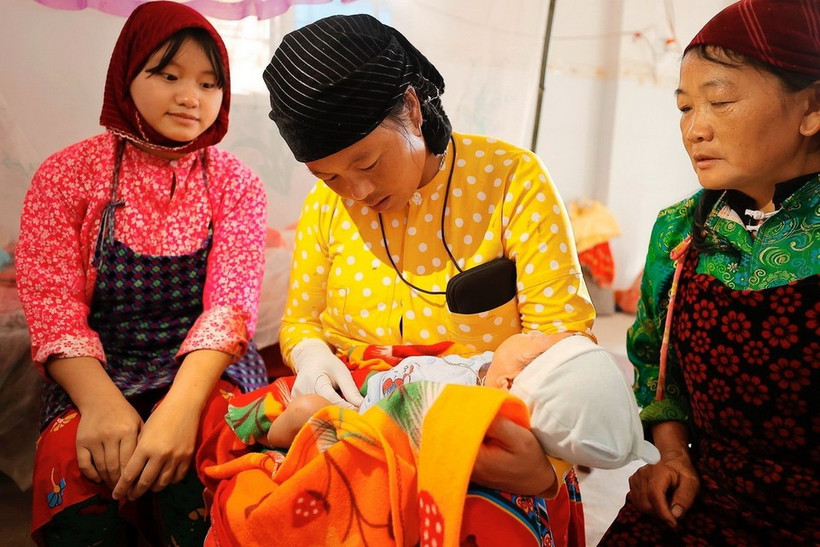
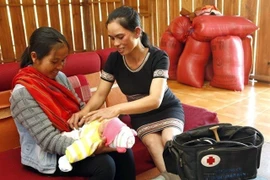
Midwives help people gradually abandon bad customs and access health care for mothers and children during pregnancy and childbirth. (Photo: VNA)

Hanoi (VNA) – In many remote villages once bound by old customs such as home births, spiritual rituals, and restrictive postpartum practices, positive changes are emerging thanks to the dedication of village-based midwives who are bringing safer childbirth and maternal care to women in the highlands.

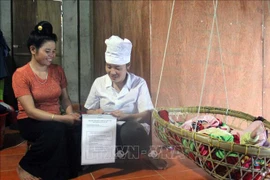
In Po Si Ngai village of Ban Xeo commune, Lao Cai province, Thao Thi Pa, a Mong ethnic woman, has served as a village-based midwife since 2011. In the early years, poor road conditions made access to medical facilities extremely difficult. Most women still gave birth at home according to traditional customs. Nine out of ten deliveries took place in houses or makeshift huts, posing serious risks to both mothers and babies. Many families believed in rituals rather than regular prenatal check-ups.

Undeterred, Pa went door to door, explaining the benefits of antenatal care and encouraging women to give birth at health stations. Her persistence paid off: today, 80% of pregnant women in the village attend regular check-ups, 70% of deliveries are assisted by medical staff, and 90% of mothers and newborns receive postnatal care.
lao-cai3-290925.jpg
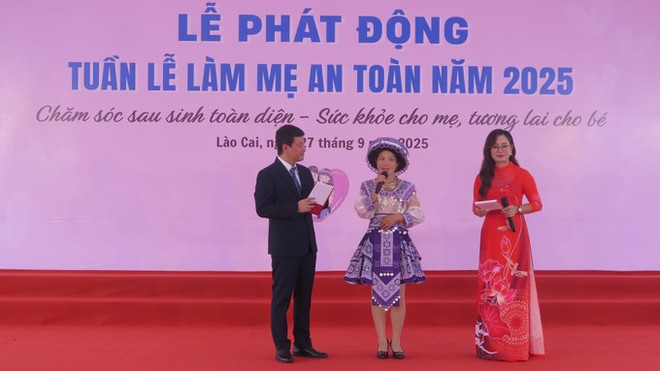
Thao Thi Pa (centre) in Po Xi Ngai village, Ban Xeo commune, Lao Cai province, shares her stories when working as a village-based midwife. (Photo: VNA)

In Na Vai village of Ban Lau commune, Luc Thi Ly of the Nung ethnic group has worked as a midwife since 2019. At that time, half of the local women still delivered at home. Many held the belief that ancestral worship alone ensured safety or that “our mothers and grandmothers gave birth at home and were fine.”

Ly patiently visited each household, explaining the safety of giving birth at health facilities with professional care and equipment.

Her determination was unwavering. She often trekked long distances at night, in freezing weather, to persuade families. Through regular meetings and women’s gatherings, she educated mothers on prenatal nutrition, vaccination, and early signs of complications. Each mother she assists receives at least three postnatal check-ups. Ly also teaches proper nutrition for recovery, exclusive breastfeeding for the first six months, and infant care.

Her efforts have yielded remarkable progress: 98% of pregnant women now receive prenatal care, and healthcare workers attend all deliveries and postnatal cases. Despite modest allowances, Ly often spends her own money on fuel, raincoats, and small gifts for new mothers and newborns. She hopes the health sector will provide more training, support, and financial incentives to help village midwives continue their vital work.

Over the past 30 years, generations of these dedicated midwives have helped eliminate outdated practices, promote reproductive health, and ensure safer motherhood in ethnic minority areas. They are regarded as the “extended arm” of Vietnam’s grassroots healthcare system in maternal and child care.

Joint efforts for safe motherhood

According to the Ministry of Health, Vietnam’s maternal and child health indicators have improved significantly and are internationally recognised. The maternal mortality rate has dropped more than fivefold - from 233 deaths per 100,000 live births in 1990 to about 44 in 2024 - ranking fourth lowest in Southeast Asia. Infant mortality under one year has fallen by over four times, and under-five mortality by nearly four times compared to previous decades.

However, major regional disparities persist. The maternal mortality rate among Mong women is over seven times higher than among the Kinh and Tay ethnic groups. Several mountainous provinces, including Lao Cai, still record maternal and child mortality rates two to three times the national average, largely due to difficult access to health services, uneven quality, and lingering cultural barriers.

To address this, the Government and the health sector have expanded interventions to improve maternal care and strengthen grassroots medical networks. This year, the Ministry of Health observed Safe Motherhood Week from October 1-7 under the theme “Comprehensive postnatal care – Health for mothers, future for children.”

The campaign aimed to raise awareness, engage local authorities and communities, and promote shared responsibility for maternal and child health. It also supported the ongoing National Child Mortality Reduction Programme through 2030, reaffirming Vietnam’s commitment to ensuring that no mother and no child is left behind./.
VNA

See more

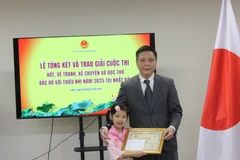
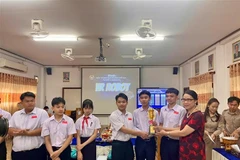
Nguyen Thanh Ha, Consul General of Vietnam in Western Australia and the Northern Territory presents Certificates of Commendation from the Consul General to students and volunteers in recognition of their outstanding contributions to the organisation of Xuan Que Huong (Homeland Spring) 2025. (Photo: VNA)

Vietnamese community in Australia united through youth engagement

Speaking at the ceremony, Nguyen Thanh Ha, Consul General of Vietnam in Western Australia and the Northern Territory, praised the dedication of young Vietnamese living in the region. She emphasised that the success of Xuan Que Huong was built not only on its colourful performances, but also on the strong sense of responsibility and tireless behind-the-scenes efforts of students and volunteers.

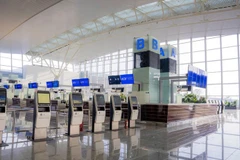
A full suite of automated technologies has been deployed across the Terminal T2 at Noi Bai International Airport, giving travellers greater control over their procedures from check-in to boarding. (Photo: VNA)

Noi Bai Airport to operate expanded int’l terminal with comprehensive automation

The upgrade follows directives from the Prime Minister and the Ministry of Construction and is designed to ease pressure on existing infrastructure by lifting the terminal’s annual capacity from 10 million to 15 million passengers. For the first time, a full suite of automated technologies has been deployed across the terminal, giving travellers greater control over their procedures from check-in to boarding.

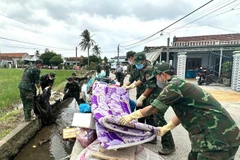
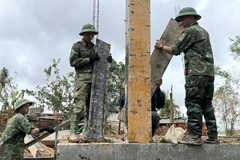
Soldiers help flood-hit communities clean up in Hoa Thinh commune, Dak Lak province. (Photo: VNA)

Concerted efforts help disaster-hit communities rebuild lives

The “Quang Trung Campaign” to rapidly repair and rebuild houses for affected families in central provinces is seen as a catalyst for faster and more sustainable recovery, extending beyond housing restoration to reinforcing essential infrastructure, enhancing community resilience, and strengthening public trust in the Party and Government.

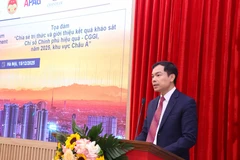
Associate Professor Dr Nguyen Manh Hung, Vice President of the Ho Chi Minh National Academy of Politics, addresses the dialogue in Hanoi on December 15. (Photo: VNA)

Vietnam among Asia’s leaders in governance capacity

Vietnam has climbed 12 places in the 2025 Chandler Good Government Index (CGGI) since 2021, rising from 60th to 48th globally. Over the past five years, the country has recorded progress in six out of seven CGGI pillars, making it one of Asia’s most notable governance reformers.

Scientific research activities at the National Hospital of Endocrinology. (Photo: VNA)

Vietnam sets roadmap for intellectual workforce to 2045

The strategy aims to build a high-quality Vietnamese intellectual workforce with a rational structure, identified as a core driving force for the rapid development of modern productive forces, as well as a leading force in digital transformation, innovation and international integration.

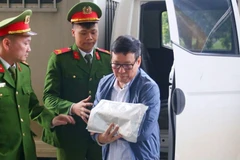
Le Duy Thanh, former Chairman of the Vinh Phuc People’s Committee, is escorted to the courtroom. (Photo: anninhthudo.vn)

Appeal trial opened for Phuc Son Group corruption case

According to the first-instance verdict, Nguyen Van Hau, Chairman and CEO of Phuc Son Group, exploited personal and professional connections to bribe over 132 billion VND (over 5 million USD) to leaders of the Party Committees, People’s Committees, and departments in Vinh Phuc and Quang Ngai, enabling Phuc Son Group to secure many contracts in these localities and Phu Tho province.

A performance at the year-end review programme in Sydney on December 14, co-organised by the Vietnam-Australia Scholars & Experts Association and Vietnam-Australia Cultural Exchange Organisation. (Photo: VNA)

Gathering honours knowledge, culture, community spirit of OVs in Australia

Addressing the gathering that drew more than 300 guests, Vietnamese Consul General in Sydney Nguyen Thanh Tung highlighted contributions of the Vietnamese community in Australia, particularly intellectuals and professionals, to the host society as well as cooperation between the two countries.

Agricultural production models help farmer access modern technology to improve output. (Photo: VNA)

Three national target programmes basically meet, exceed 2021-2025 goals

A report from the Central Steering Committee for National Target Programmes for the 2021–2025 period showed that poverty reduction in ethnic minority-inhabited areas averaged 3.2% per year. Per capita income among ethnic minorities is estimated to reach 45.9 million VND (1,760 USD) in 2025, a 3.3-fold increase from the 2020 level, well surpassing the goal of more than doubling.

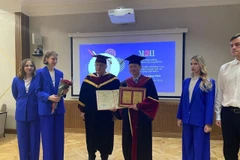
Professor Dr. Tran Hong Thai receives the honorary doctorate title and certificate from Professor Nikolay Rogalev of MPEI. (Photo published by VNA)

Vietnamese professor awarded honorary doctorate by Moscow institute

Professor Dr. Tran Hong Thai, Standing Vice President of the Vietnam Academy of Science and Technology (VAST) was granted an Honorary Doctorate by The Moscow Power Engineering Institute (MPEI) for his outstanding contributions to scientific development, education and international cooperation in the energy sector.