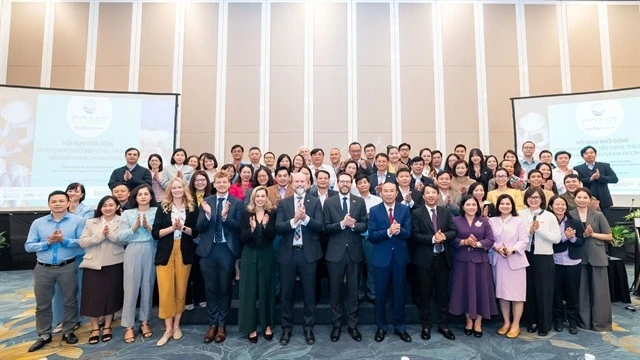
Vietnam, UK launch 24.3 million USD initiative to strengthen coastal resilience
An innovative effort for people and nature, COAST is a game-changer for vulnerable coastal communities facing the urgent threats of climate change.
An innovative effort for people and nature, COAST is a game-changer for vulnerable coastal communities facing the urgent threats of climate change.


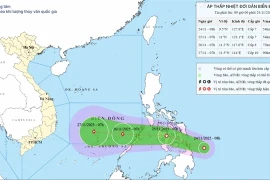
Forecasts indicate that between the night of November 25 and the morning of November 26, the tropical depression will enter the East Sea.
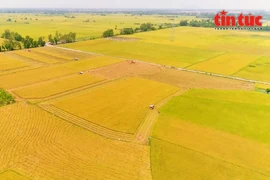
A project on sustainable development of one million hectares of high-quality, low-emission rice cultivation associated with green growth in the Mekong Delta by 2030 has so far helped shift the awareness and mindset of rice producers toward greater responsibility and toward adopting production trends aligned with global orientations for “green development.”
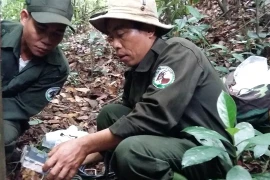
Vietnam’s forests are among the world’s most biodiverse, yet wildlife remains threatened by habitat loss and snaring. A new WWF-Vietnam survey, using 350,000 camera-trap days across 21 forests, reveals urgent conservation needs and signs of recovery.
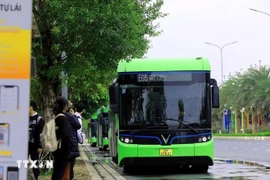
According to the action plan, the 2026-2030 phase aims to control, prevent and gradually reverse air pollution in key economic zones, prioritising the mitigation of pollution in Hanoi, HCM City and neighbouring provinces.
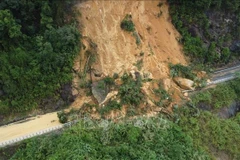
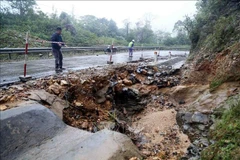
Torrential rain has triggered deadly landslides, widespread flooding and major transport disruption across the central region, leaving at least 14 people dead or missing and forcing thousands to evacuate.
Between the night of November 17 and 19, the North will also experience rain. The combination of rain and strong cold air will cause a sharp drop in temperatures across the northern region and the provinces of Thanh Hoa, Nghe An and Ha Tinh.
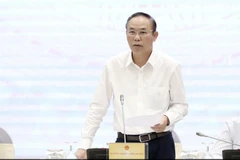
Since the beginning of 2025, disasters have left 305 people dead or missing and caused economic losses estimated at 69 trillion VND (2.62 billion USD).
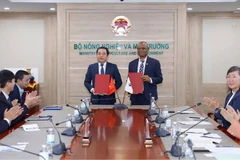
Minister of Agriculture and Environment Tran Duc Thang held a working session with Martin Kabaluapa, Managing Director of WWF Country Offices Worldwide, on November 7 on the occasion of the MoU signing, according to the ministry
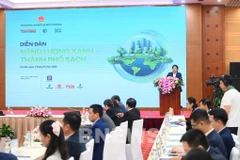
In megacities like Hanoi, Ho Chi Minh City, Hai Phong and Da Nang, curbing vehicle exhaust, scaling clean energy infrastructure and embedding tougher environmental rules into urban planning form the backbone of “clean city” ambitions.
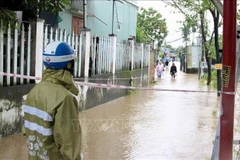
Kalmaegi is a strong and fast-moving storm with a broad circulation, with a track and pattern of impact similar to Typhoon Damrey (2017) and Typhoon Molave (2020).
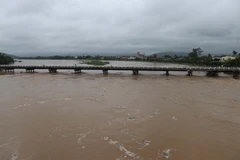
The deluge stems from a combination of atmospheric factors, including a low-altitude cold air mass, a northward movement of the intertropical convergence zone and humid easterly winds at elevations between 1,500m and 5,000m, NCHMF Director Assoc. Prof Mai Van Khiem said, adding that this configuration is a classic driver of prolonged, high-intensity rainfall in the region.
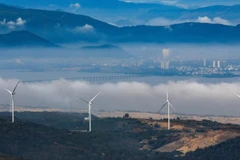
Vietnam’s renewable energy ambitions are underpinned by a robust policy framework. The Politburo’s Resolution 70 aims to secure national energy security through 2030, with a vision extending to 2045, targeting a power capacity of 183–236 gigawatts by 2030, potentially higher based on demand.
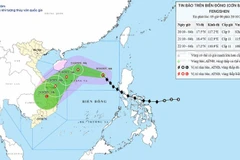
Typhoon Fengshen, the 12th storm to enter in the East Sea so far this year, has changed its direction and is likely to strengthen, though its current intensity remains stable, showed data from the National Centre for Hydro-Meteorological Forecasting.
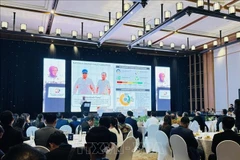
The forum serves as an important platform for Indonesia to strengthen energy security cooperation with both public and private sectors across the Mekong region. It aims to generate innovative ideas for regional collaboration in green energy finance and technology.

Acting Vietnamese Minister of Agriculture and Environment Tran Duc Thang has recently met with European Union (EU) and Belgian officials in Brussels to enhance comprehensive cooperation in green growth and long-term sustainability, highlighting untapped potential in environmental and agricultural ties.
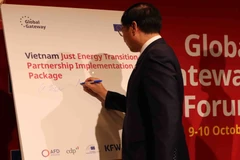
EU Commissioner for energy Jozef Síkela emphasised that the Bac Ai project serves as a key foundation in the joint efforts of Vietnam and the EU to build a green, stable, and sustainable energy system while attracting private investment and promoting green growth.
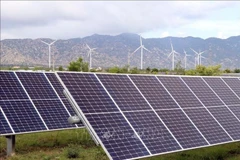
The Voluntary Agreement Scheme (VAS), a DEPP3 initiative in Vietnam’s energy-intensive industries, has already backed 21 major industrial energy users, pinpointing 119 potential projects that could save companies around 6 million USD annually and reduce carbon dioxide emissions by 77,913 tonnes per year.
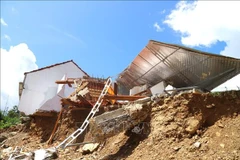
Experts emphasised that while natural disasters cannot be avoided, effective mitigation and adaptation are vital to safeguard lives, property, and economic activities. Public awareness and preparedness, they said, are key to reducing vulnerability.
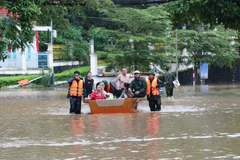
To safeguard lives and minimise property losses, the PM instructed provincial and city leaders, particularly in mountainous and midland areas, to mobilise resources and enforce robust measures. Local authorities should consider online learning in place of in-person schooling where conditions warrant.
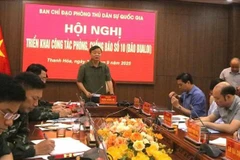
As of 11:00 on September 28, the storm had left four people missing, damaged 76 homes, and swept away three temporary bridges. Flooding submerged low-water crossings and roads in Thanh Hoa, Nghe An, Quang Tri, and Hue.
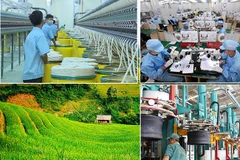
Deputy Prime Minister Tran Hong Ha on September 4 signed a decision approving Vietnam’s environmental industry development programme for 2025–2030.
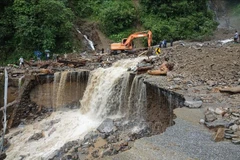
Typhoon Kajiki and its subsequent circulation left five dead, three missing, 47 injured and a trail of destruction across northern and central Vietnam by 16:00 on August 27.
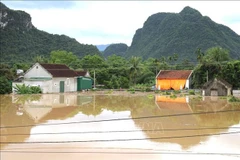
There is a warning of intense localised rainfall exceeding 100mm in a three-hour period.
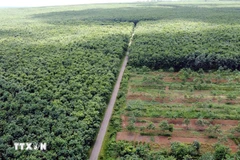
As part of its drive to fulfil its net zero emissions commitment by 2050, Vietnam is fast-tracking the development of a legal corridor to launch a pilot carbon market by the end of 2025, according to the Department of Climate Change.