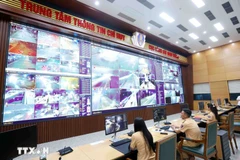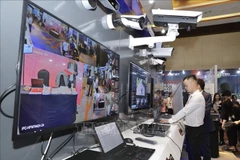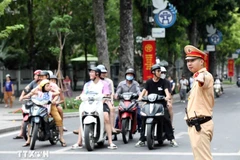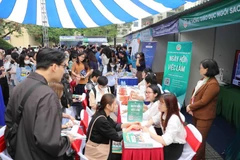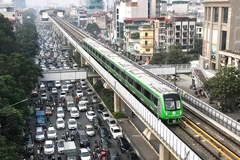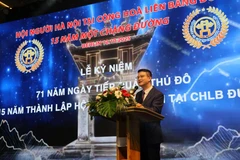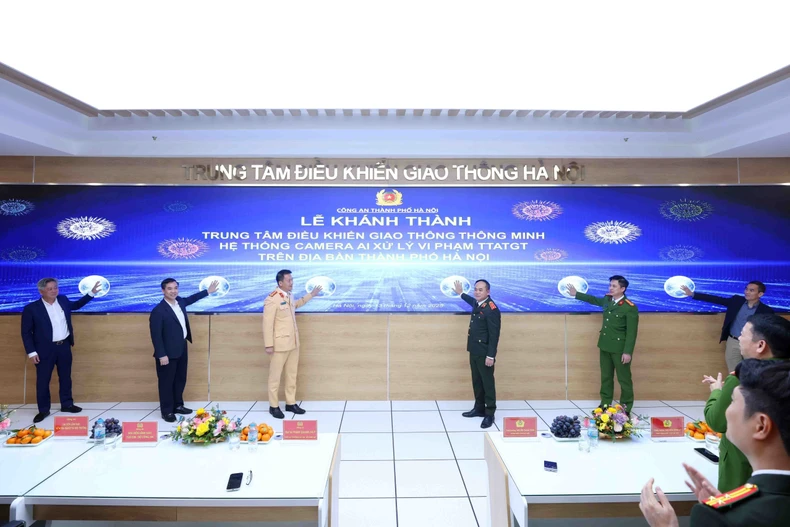
Delegates perform the inauguration protocol for the Hanoi smart traffic control centre in the capital on December 13. (Photo: VNA)

Hanoi officially launches smart traffic control centre

Equipped with 1,837 AI-powered cameras installed at 195 key intersections, the centre serves as the “brain” for real-time monitoring of traffic conditions and urban order. Through the system, police officers can observe traffic on major roads and junctions, promptly detect congestion, violations, accidents and incidents, and take timely response measures.
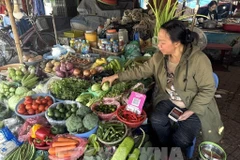
A fruit and vegetable stall at Nga Tu So market in Dong Da ward, Hanoi. (Photo: VNA)

Extreme weather drives vegetable prices higher in Hanoi as supplies tighten

The recent price surge in Hanoi’s vegetable market is a direct result of extreme weather, major natural disasters and disruptions across the agricultural supply chain. In this context, closer coordination between authorities, distributors, cooperatives and producers is essential to stabilise supplies and cushion market impacts.

Visitors at an exhibition showcasing technology devices for cybersecurity. (Photo: VNA)

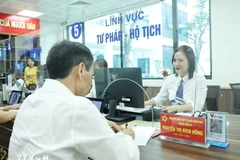
Hanoi Convention sparks optimism among people about safe cyberspace

The Hanoi Convention is the first document on transnational crime to be adopted within the UN framework after 20 years. It is expected to open up a new chapter in international cooperation with significant implications. Not only is it important to the global community, but the convention will also serve as a solid "foundation" on multiple fronts for the people of the capital.

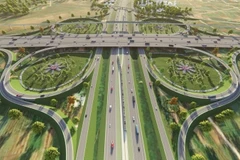
Hanoi set to host Green Building and Transportation Week (Photo: VNA)

Hanoi to host Green Building & Transportation Week

The 2025 edition, to be hosted by the Ministry of Construction, officially integrates the fields of construction and transportation, reflecting the spirit of Resolution No. 57-NQ/TW on developing science, technology, innovation, and national digital transformation, as well as promoting energy efficiency, green energy transition, and carbon and methane emissions in the transport sector.

Dang Hoang Linh, Counsellor of the Vietnamese Embassy in Germany (Photo: VNA)

Hanoians in Germany celebrate capital liberation day

Participants shared nostalgic recollections of their youth and personal reflections on the city that shaped their lives. Many were visibly moved as they spoke of Hanoi, which continues to hold a cherished place in their hearts despite years of living abroad.

Hanoi’s unceasing 71-year journey of integration, development since liberation

Hanoi’s unceasing 71-year journey of integration, development since liberation

The 10th of October 1954 marks a milestone in Vietnamese history as the capital city of Hanoi was officially liberated. Amidst the jubilant flutter of flags and flowers, victorious troops marched into the city, ending nine arduous years of resistance against French forces. This historic event not only symbolised the nation’s hard-won independence but also opened a new era for Hanoi – one of construction, renewal, integration, and development.

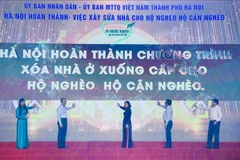
At a ceremony announcing the completion of the programme to eliminate substandard housing for poor and near-poor households in Hanoi in 2024. (Photo: VNA)

Hanoi launches Month for the Poor 2025

Livelihood assistance will also be provided such as breeding animals, crops, production tools, loans, vocational training, and market linkages, as well as house construction and repairs for poor families, contributing to the building of new-style rural areas and civilised urban communities.

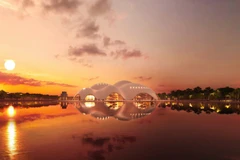
The Hanoi Opera House, also known as the Pearl Opera House, is designed by renowned Italian architect Renzo Piano, one of the most influential architects of the 20th century (Photo: VNA)

Work starts on Hanoi Opera House near West Lake

The opera house will include two main auditoriums: a 1,797-seat opera hall and a versatile multi-purpose hall with 1,430 standing places and 216 balcony seats, suitable for concerts, live shows, and large-scale events. Other spaces include rehearsal rooms, a museum, viewing terraces, and an expansive main foyer.

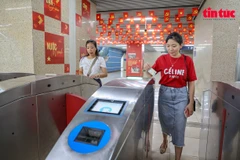
Passengers use QR code to access metro train in Hanoi (Photo: VNA)

Hanoi Metro pilots weekly tickets on mobile app

From October 4–15, the trial will maintain the same scope and methods as phase one, while adding weekly tickets alongside single-ride and daily tickets on the “Hanoi Metro” mobile application.

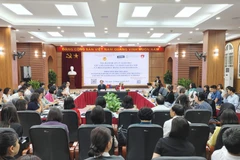
An overview of the seminar. (Photo: VNA)

Hanoi strengthens international cooperation in education

At an education management seminar held on September 30, participants engaged in substantive discussions on educational policies, strategic orientations in the new context and, particularly, the integration of artificial intelligence (AI) in schools, the effective management of smart learning devices, and the cultivation of both digital and soft skills for students.

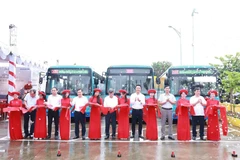
Hanoi launches first bus route connecting Minh Chau island commune to city centre. (Photo: laodong.vn)

Hanoi launches first bus route connecting Red River island commune to city centre

For years, travelling to the city centre has been a challenge for local students, workers, and patients, especially during the rainy and flood seasons. The launch of this route marks a historic milestone for Minh Chau residents, the first time the capital’s public transport network has extended to an island commune in the middle of the Red River.

Hanoi rolls out measures to stabilise prices across the city during the final months of 2025. (Photo: VNA)

Hanoi stabilises market prices to ring in New Year

Plans are in place to ensure a balance between supply and demand, preventing shortages or disruptions that could trigger sudden price hikes, especially for regulated goods and essential items with increased demand during year-end, holidays, and Tet celebrations.

The square will be integrated with surrounding green spaces, forming an open public area that is both pedestrian-friendly and well connected to the city’s future urban rail system (Photo: VNA)

Hanoi to commence new square near Hoan Kiem Lake

The 2.14ha project, to be carried out in two phases, is expected to create a new community space for cultural activities, exhibitions, and artistic events, while also enhancing the landscape of the capital’s historic core and one of its major tourist attractions.